Sharing your CVV code (or CVC, card security code) from your CIB/Eddahabia cards poses significant risks to the security of your banking information. Here is a summary of the dangers and the best practices to adopt:
What is the CVV?
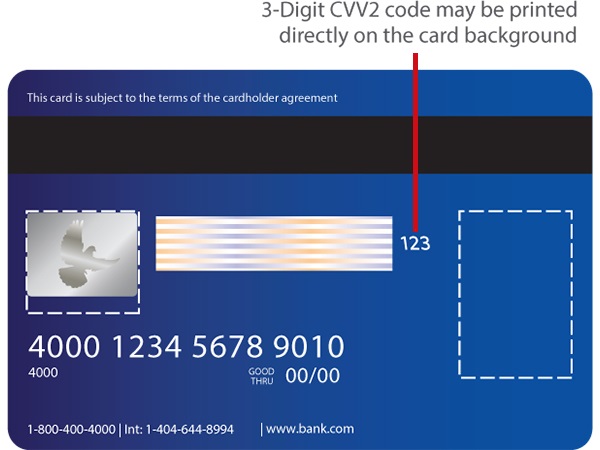
The CVV is a 3- or 4-digit security code printed on the back of your bank card, usually near the signature. It is used to verify that the person making a purchase online or by phone is indeed the cardholder.
Why is it risky to share your CVV?
- Credit card fraud: The main risk is the fraudulent use of your card for online or phone purchases. A malicious person who has your card number and your CVV can make transactions without your knowledge.
- Identity theft: In some cases, sharing your CVV can be combined with other personal information to steal your identity.
When to NEVER share your CVV:
- By phone, SMS or email: No legitimate company, including your bank, will ever ask for your CVV through these channels. Beware of suspicious calls, SMS or emails asking for this information.
- In person: When paying in a store, you never have to give your CVV to the merchant. Only inserting your card into the payment terminal or paying contactless is required.
- On insecure websites: Before entering your banking information on a website, make sure the address starts with "https://" and that a padlock is displayed in the address bar. This indicates that the connection is secure.
- On unsecured public Wi-Fi networks: Avoid carrying out banking transactions on unprotected public Wi-Fi networks, as they can be intercepted by malicious people.
When sharing your CVV is generally acceptable (with caution):
- When shopping online on secure websites: When you make a purchase on a trusted, secure website (https:// and padlock), entering your CVV is necessary to complete the transaction. Always make sure the site is legitimate before entering your information.
- By phone to a trusted merchant (rare): In rare cases, a trusted merchant may ask for your CVV by phone to finalize an order. However, prefer secure online payments whenever possible.
How to protect your CVV?
- Never share it with anyone by phone, SMS, email or in person (except for the exceptions mentioned).
- Check the security of websites before entering your banking information.
- Never store your CVV on your computer, phone or any other digital medium.
- Be vigilant against phishing attempts.
- If in doubt, contact your bank directly.
The golden rule is to never share your CVV unless you are absolutely certain of the recipient's legitimacy and the security of the transaction. By following these tips, you will significantly reduce the risks of fraud and identity theft.