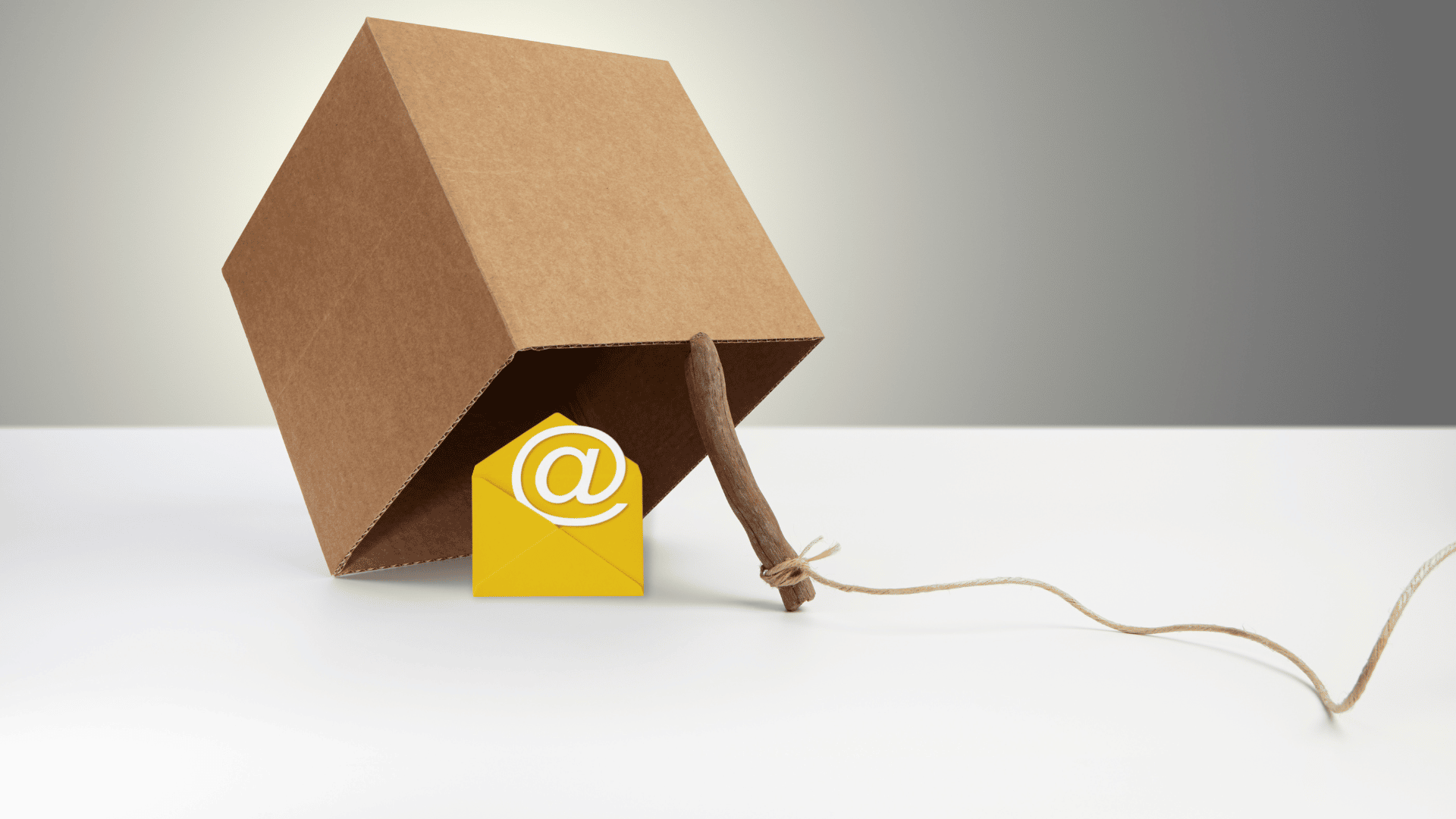
Did you receive an email promising a web hosting offer at an unbeatable price, with "unlimited" features and instant setup? Be careful, it could be a scam. Fake web hosting offers are flooding inboxes, targeting beginners and experienced site owners alike. In this article, we break down these scams, their warning signs and the ways to protect yourself.
1. Why Are Fake Web Hosting Offers Proliferating?
With the rise of digital, having a website has become essential for businesses, bloggers and even individuals. This growing demand attracts scammers who exploit some users' lack of technical knowledge. Fraudulent emails often imitate legitimate hosts, using enticing promises to trap their victims. Their goal? To steal your personal data, your money, or to install malware on your devices.
2. How to Recognize a Fake Offer
Email scams often follow repetitive patterns. Here are the main warning signs to watch for:
- Offers that are too good to be true: "Unlimited" hosting (disk space, bandwidth, domains) for less than 300DA/month? That is technically unrealistic and often a lure.
- Artificial urgency: Phrases like "Offer valid for 24 hours only" or "Book now or lose your chance" are meant to make you act without thinking.
- Errors and inconsistencies: Spelling mistakes, poorly imitated logos or suspicious email addresses (e.g. "support@hebergeur-promo.xyz" instead of an official domain).
- Dubious links: Fraudulent emails often contain shortened URLs or unknown domains that lead to phishing sites.
- Requests for sensitive data: If the email pushes you to provide banking or personal information without going through a secure site, be suspicious.
A typical example: an email claiming to come from a well-known host such as "Hostarts.dz" but sent from an address like "hostarts-promo@gmail.com". A simple check of the official domain is enough to expose the trick.
3. The Risks of These Scams
Falling into the trap of a fake offer can have serious consequences:
- Financial theft: Payment for a nonexistent service or unauthorized automatic charges.
- Data theft: Your credentials or personal information may be resold on the dark web.
- Compromise of your site: Some fraudulent "hosts" install backdoors or malware on your site, endangering your visitors.
- Wasted time: Migrating a site to a fake host only to realize it does not exist can ruin your efforts.
4. How to Verify an Offer Received by Email
Before clicking or paying, take these precautions:
- Check the sender: Compare the email address with the host's official domain (e.g. "@hostarts.dz" for Hostarts).
- Visit the official website: Go directly to the host's website through a Google search, not through the link in the email.
- Look for reviews: Check forums, social networks or sites like Trustpilot to confirm the offer is legitimate.
- Contact support: A reputable host such as Hostarts.dz offers responsive customer support. Call or send a message to validate the offer.
- Analyze the technical details: An offer that is vague about specifications (disk space, uptime, backups) is suspicious.
5. What to Do If You Receive a Fake Offer
If you suspect a scam, act fast:
- Do not click: Avoid links or attachments that could contain viruses.
- Report the email: Use the "Report phishing" feature of your email service (Gmail, Outlook, etc.).
- Inform those around you: Share the information with your colleagues or friends so they do not fall into the trap.
- Protect your data: If you clicked or paid, change your passwords and monitor your bank accounts.
6. Favor Trusted Hosts
To avoid unpleasant surprises, turn to well-established hosts. In Algeria,
Hostarts.dzis an example of reliability with its SSD servers, 24/7 support and transparent plans. Unlike fraudulent ads, their promotions are always available on their official website and come with clear guarantees (30-day refund, free SSL certificates).
Comparing local and international hosts through reliable sources remains the best strategy for investing in a legitimate service.
Conclusion
Fake web hosting offers sent by email are a growing threat, but with a little vigilance you can foil them. Be wary of unrealistic promises, always verify sources and favor trusted hosts such as Hostarts.dz. Have you ever received a suspicious email? Share your experience in the comments and let us help raise awareness in the community!